Vastus Medialis Knee Pain: Causes, Symptoms & Proven Exercises to Relieve Discomfort
Vastus Medialis Knee Pain is a common condition affecting the inner part of the knee, often caused by weakness, tightness, or overuse of the vastus medialis muscle. This muscle, part of the quadriceps, plays a crucial role in stabilising the kneecap and ensuring smooth knee movement. Many people experience discomfort during activities such as walking, running, or cycling, making it essential to understand the root causes and effective management strategies for relief.
Experiencing Vastus Medialis Knee Pain can significantly impact daily life, from difficulty climbing stairs to reduced performance in sports. Early identification and targeted interventions, including stretching and strengthening exercises, can help reduce pain and prevent further injury. By focusing on the vastus medialis, individuals can restore proper knee alignment and enhance overall leg stability, ensuring long-term knee health.
Understanding the Vastus Medialis Muscle
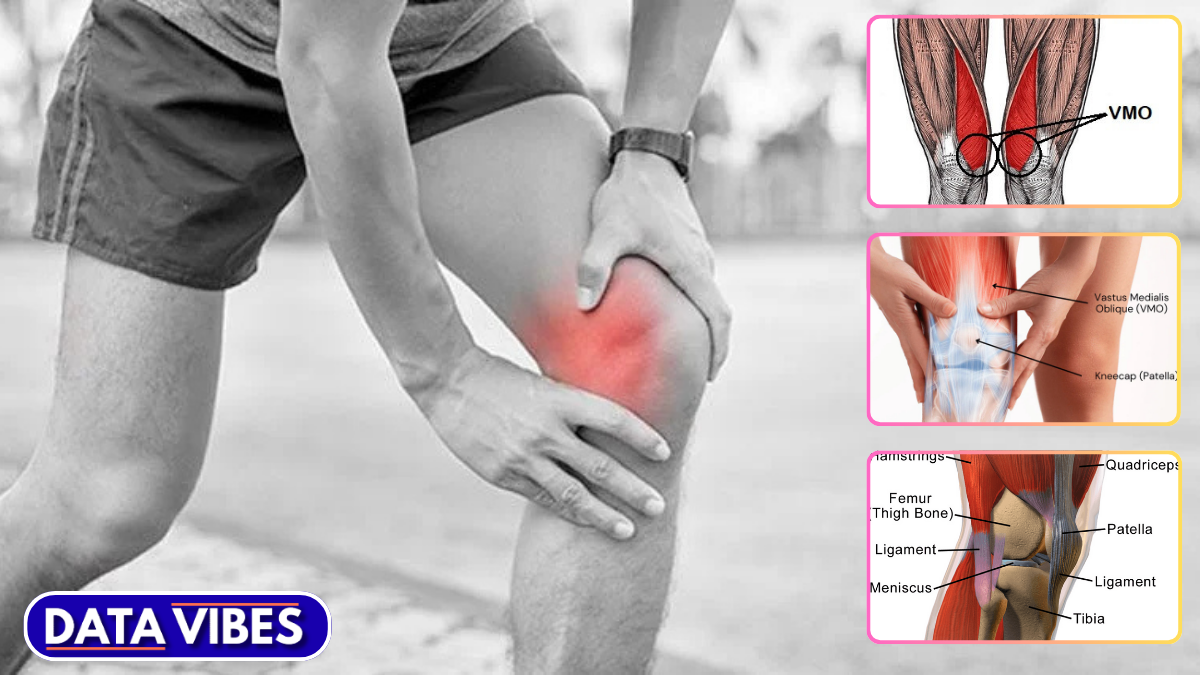
The vastus medialis muscle, located on the inner thigh, is one of four muscles forming the quadriceps group. Its primary function is knee extension, while the vastus medialis oblique (VMO) component specifically stabilises the kneecap during movement. A weak or underactive VM can lead to improper patellar tracking, contributing to persistent knee pain, instability, or even injury during sports and everyday activities.
In addition to weakness, a tight vastus medialis can restrict mobility and increase discomfort. This tightness often occurs from repetitive activities such as cycling, running, or prolonged sitting. Balancing strength and flexibility in the vastus medialis is essential for preventing chronic knee pain, improving function, and maintaining healthy movement patterns that reduce strain on surrounding structures.
Common Causes of Vastus Medialis Knee Pain
Vastus Medialis Knee Pain can arise from multiple factors, including overuse, muscle imbalance, and repetitive strain. Activities like cycling, running, or squatting place continuous stress on the quadriceps, which may cause inflammation, trigger points, or minor tears in the vastus medialis muscle. Over time, this can lead to persistent pain that interferes with daily tasks and exercise routines.
Another major contributor is improper patellar tracking, which occurs when the Vastus Medialis is weak compared to the lateral quadriceps muscles. This imbalance can cause the kneecap to deviate from its natural path, resulting in inner knee pain, instability, or a sensation of the knee giving way. Identifying these causes is key to designing effective treatment plans for Vastus Medialis Knee Pain.
Recognising Symptoms of Vastus Medialis Knee Pain

The symptoms of Vastus Medialis Knee Pain often include a dull ache or burning sensation along the inner knee or upper inner thigh. Pain may worsen during physical activity such as climbing stairs, running, cycling, or squatting. In some cases, swelling or tenderness may also be present, indicating strain or irritation in the muscle.
Other common signs include knee instability, sudden buckling, or difficulty fully extending the leg. Individuals may notice tightness or stiffness in the knee after prolonged activity or sitting, which often improves with movement but returns if the muscle remains weak or overused. Early recognition of these symptoms allows timely intervention, preventing chronic knee problems.
Diagnosis and When to See a Professional
Accurate diagnosis of Vastus Medialis Knee Pain typically involves a physical assessment by a healthcare professional. Physiotherapists or GPs evaluate patellar tracking, muscle strength, and range of motion to determine the underlying cause. Proper assessment ensures that treatment is targeted and effective, reducing the risk of recurring pain.
It is essential to consult a professional if pain persists despite rest or home interventions. Red flags, such as severe swelling, sudden inability to move the knee, or sharp pain during normal activity, require immediate attention. Early professional guidance can prevent further damage and promote faster recovery for those suffering from Vastus Medialis Knee Pain.
Effective Treatments and Exercises
Treating Vastus Medialis Knee Pain often involves a combination of stretching, strengthening, and activity modification. Gentle stretches and foam rolling help alleviate tightness, while targeted exercises, such as wall sits, ball squeezes, step-ups, and leg extensions, strengthen the VMO and restore proper knee mechanics. Regular exercise improves muscle balance and reduces pain over time.
Cyclists and runners should pay attention to equipment setup, pedalling technique, and posture to prevent overuse injuries. Combining at-home exercises with professional physiotherapy or guided rehabilitation ensures comprehensive care. Consistency in stretching, strengthening, and corrective movements can relieve pain, improve knee stability, and prevent the recurrence of Vastus Medialis Knee Pain.
Preventing Vastus Medialis Knee Pain
Preventing Vastus Medialis Knee Pain requires a proactive approach, including regular strengthening of the quadriceps and surrounding muscles. Maintaining flexibility through stretching and mobility exercises reduces strain on the VM and supports healthy kneecap alignment. Warm-ups before exercise and gradual progression in activity intensity also help minimise risk.
For cycling enthusiasts, adjusting saddle height, pedalling cadence, and posture is crucial to prevent overloading the vastus medialis. Incorporating rest days, cross-training, and consistent exercise routines promotes long-term knee health. These strategies not only prevent pain but also enhance overall leg function, allowing individuals to enjoy physical activity without discomfort.
Conclusion
Vastus Medialis Knee Pain can significantly impact mobility and daily activities if left unaddressed. Understanding the causes, recognising symptoms, and performing targeted exercises are vital for effective treatment and long-term relief. By combining stretching, strengthening, and professional guidance, individuals can restore knee function, reduce pain, and maintain a healthy, active lifestyle.
Frequently Asked Questions
What is Vastus Medialis Knee Pain and how is it caused?
It is pain in the inner knee caused by weakness, tightness, or overuse of the vastus medialis muscle.
How do I know if my vastus medialis is weak or tight?
Weakness causes knee instability, while tightness leads to restricted movement and inner knee discomfort.
Can cycling cause Vastus Medialis Knee Pain?
Yes, repetitive pedalling or improper bike setup can overload the vastus medialis and cause pain.
What exercises strengthen the vastus medialis effectively?
Exercises like wall sits, ball squeezes, step-ups, and leg extensions target and strengthen the VM.
How long does it take to recover from VM-related knee pain?
Recovery usually takes a few weeks with consistent stretching, strengthening, and proper care.
Can I continue exercising with Vastus Medialis Knee Pain?
Light exercise is possible, but high-impact activities should be avoided until pain improves.
Are there any home remedies for immediate relief?
Rest, ice, gentle stretching, and foam rolling can help relieve pain at home.
When should I see a physiotherapist for Vastus Medialis Knee Pain?
If pain persists, causes instability, or does not improve with home care, seek professional help.
How does VM weakness affect patellar tracking?
A weak VM allows the kneecap to move out of alignment, leading to inner knee pain and instability.
Can stretching alone fix Vastus Medialis Knee Pain?
Stretching helps, but strengthening and proper rehabilitation are usually required for full recovery.
You May Also Read: High-Yielding Cities Beyond the North