
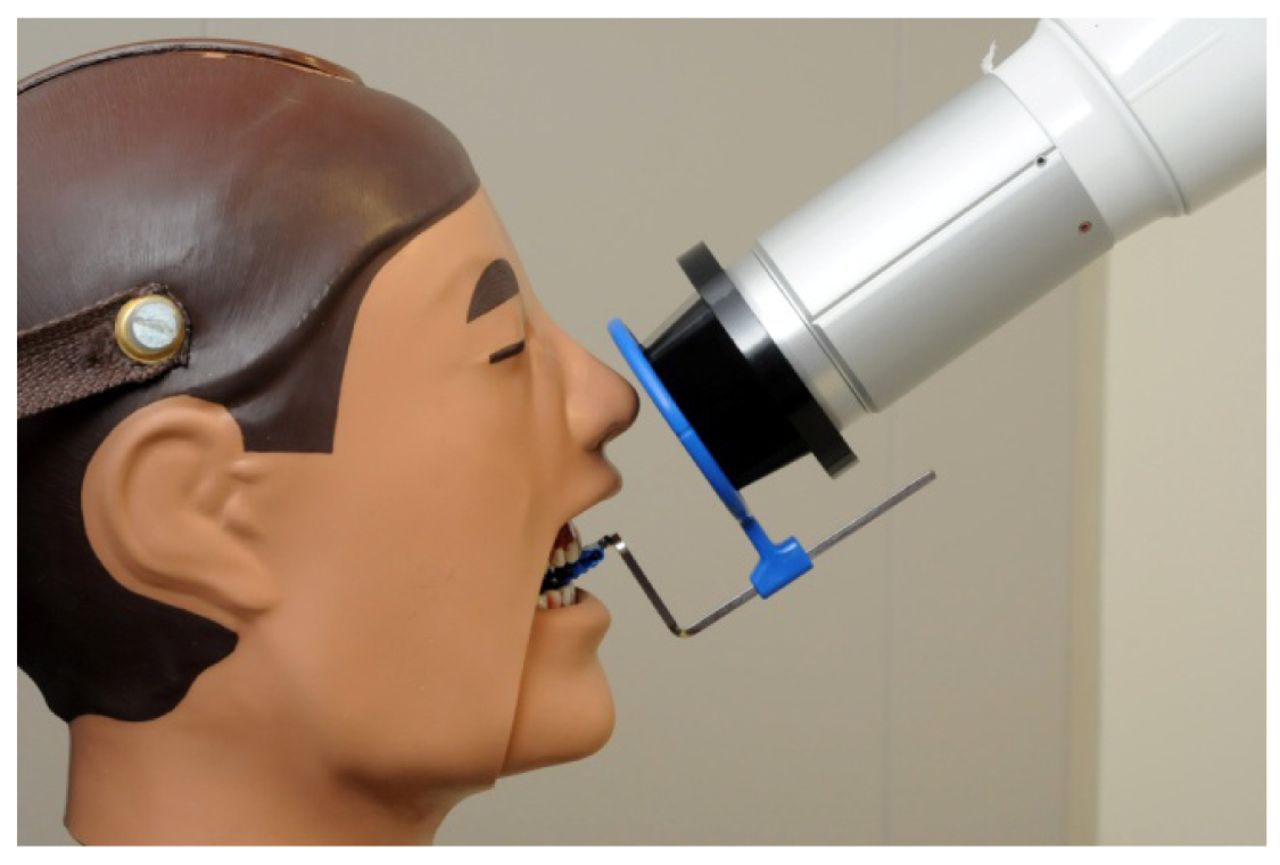
Rectangular Collimator Dental: Reduce Radiation and Improve X-Ray Accuracy
A Rectangular Collimator Dental is an essential tool in modern dental radiography, designed to enhance patient safety and improve diagnostic accuracy. By shaping the X-ray beam into a precise rectangle, it limits exposure to surrounding tissues while focusing radiation only on the area of interest. This device has become a crucial component in dental practices aiming to combine safety with high-quality imaging.
The use of a Rectangular Collimator Dental is particularly significant for reducing unnecessary radiation exposure, which can be a concern with repeated X-rays. By controlling the beam’s size and shape, dental professionals can adhere to radiation safety standards while ensuring patients receive the best possible care. Its adoption reflects a commitment to both precision in diagnostics and health-conscious practice.
What is a Rectangular Collimator?
A Rectangular Collimator Dental is an X-ray accessory designed to convert the conventional round X-ray beam into a rectangle. This targeted approach ensures that only the specific area needing examination is exposed, significantly reducing scatter radiation. Scatter radiation not only increases patient dose but can also compromise image clarity, making rectangular collimators a preferred choice in many dental practices.
When comparing rectangular collimator vs round collimator, the advantages are clear. Round collimators emit radiation over a wider area, exposing more tissue than necessary. In contrast, a Rectangular Collimator Dental focuses the beam precisely, improving image quality and reducing radiation dose. This distinction is crucial for patient safety and is increasingly influencing regulatory guidelines in dental radiography.
Benefits of Using a Rectangular Collimator in Dentistry
One of the most important benefits of a Rectangular Collimator Dental is the significant reduction in patient radiation exposure. Studies indicate that rectangular collimation can lower doses by up to 40% compared to traditional round collimation. This reduction is vital for frequent dental patients, children, and vulnerable populations who require repeated imaging.
In addition to dose reduction, a Rectangular Collimator Dental also improves the clarity and diagnostic value of X-rays. By minimising scatter radiation, the resulting images are sharper and more detailed, allowing dental professionals to identify problems more accurately. This combination of safety and precision makes rectangular collimators a vital tool for high-quality dental care.
How to Use a Rectangular Collimator Effectively

Using a Rectangular Collimator Dental effectively requires precise positioning and alignment with the X-ray sensor. Dental staff must ensure the beam is correctly centred over the area of interest to avoid cone-cut errors, which can compromise image quality. Proper technique ensures both safety and optimal diagnostic outcomes.
Additionally, a rectangular collimator adaptor may be necessary to fit different X-ray units. These adaptors ensure secure attachment and consistent performance across various machines. Regular staff training on collimator usage is recommended to maintain accuracy and maximise the benefits of rectangular collimation in everyday practice.
Rectangular Collimator vs Round Collimator
A Rectangular Collimator Dental significantly outperforms round collimators in terms of radiation safety and image quality. While round collimators expose a larger area of tissue, rectangular collimation confines radiation to the exact area of interest, reducing unnecessary exposure. This precision makes rectangular collimators the preferred choice for intraoral imaging.
Despite the advantages, some dental offices continue using round collimators due to ease of use or equipment availability. However, evidence strongly supports the adoption of a Rectangular Collimator Dental wherever possible. Its ability to deliver clearer images with lower radiation doses benefits both patients and clinicians, making it a critical upgrade in modern dental practice.
Purchasing and Maintaining a Rectangular Collimator
Finding a Rectangular Collimator Dental for sale involves selecting a reputable supplier that provides high-quality, compatible devices. Clinics must consider factors such as X-ray machine compatibility, durability, and ease of use. Investing in a reliable collimator ensures consistent performance and long-term safety benefits.
Maintenance is equally important for a Rectangular Collimator Dental. Regular cleaning, inspection for damage, and proper handling prolong the device’s life and ensure consistent performance. Staff training in correct positioning, alignment, and care further enhances safety and the overall effectiveness of rectangular collimation.
Common Misconceptions and Challenges
Some dental professionals hesitate to adopt a Rectangular Collimator Dental due to perceived difficulties in positioning or a learning curve in avoiding cone-cut errors. These concerns are often mitigated through training and experience, making the transition straightforward.
Another misconception is that rectangular collimators are incompatible with existing X-ray units. In reality, most modern systems can be fitted with a rectangular collimator adaptor, allowing easy integration. Overcoming these challenges helps dental practices fully benefit from reduced radiation exposure and improved imaging quality.
Future Trends in Dental Radiography
The future of dental imaging is moving towards more precise, low-dose solutions, and Rectangular Collimator Dental technology is central to this trend. Innovations in design and digital integration promise even more efficient dose reduction and superior image quality in the coming years.
Emerging guidelines and regulations increasingly support the use of rectangular collimation in clinical settings. Combined with digital radiography and AI-assisted imaging, the Rectangular Collimator Dental will likely remain a standard tool, promoting both patient safety and diagnostic excellence across the UK.
Conclusion
A Rectangular Collimator Dental is an indispensable component of modern dental radiography. By reducing radiation exposure and improving X-ray quality, it ensures patient safety while supporting precise diagnostics. Dental practices that adopt this technology demonstrate a commitment to high-quality care and adherence to safety standards, benefiting both clinicians and patients.
Frequently Asked Questions
What is the main purpose of a Rectangular Collimator Dental?
It focuses the X-ray beam to reduce radiation exposure and improve image quality.
How does a rectangular collimator reduce radiation exposure?
It limits the beam to the exact area, cutting unnecessary radiation.
What is the difference between rectangular and round collimators?
Rectangular collimators reduce scatter and exposure, unlike round ones.
Can a rectangular collimator be used with all dental X-ray machines?
Yes, most machines work with an adaptor.
Where can I buy a Rectangular Collimator Dental?
You can buy it from dental equipment suppliers or online stores.
What is a rectangular collimator adaptor, and why is it needed?
It helps fit the collimator to different X-ray units.
Are there any challenges in using a rectangular collimator?
Slight positioning errors can cause cone cuts.
Does using a rectangular collimator improve diagnostic accuracy?
Yes, it produces clearer and more focused X-ray images.
You May Also Read: Products, Services, and Areas of Expertise