Gluteal Tendinopathy Exercises To Avoid: The Worst Movements That Aggravate Hip Pain
Gluteal tendinopathy is a painful condition affecting the outer hip and gluteal tendons, often caused by repetitive stress, overuse, or poor biomechanics. People with this condition may experience tenderness, swelling, or discomfort when walking, standing, or lying on the affected side. Understanding Gluteal Tendinopathy Exercises To Avoid is crucial for managing pain and promoting healing, especially during daily activities and exercise.
This condition affects a wide range of people, including athletes and older adults, and is particularly common in women post-menopause due to hormonal changes that influence tendon health. Early recognition of symptoms and knowledge of Gluteal Tendinopathy Exercises To Avoid helps prevent chronic issues and ensures recovery is effective and safe.
Understanding Gluteal Tendinopathy
Gluteal tendinopathy occurs when the gluteus medius and minimus tendons become damaged, inflamed, or degenerated. Microtears caused by repetitive stress reduce the tendons’ ability to handle load. Pain typically occurs on the outer hip and can radiate down the thigh. Awareness of Gluteal Tendinopathy Exercises To Avoid can prevent further tendon damage and speed up recovery.
Symptoms include stiffness, tenderness, and discomfort during walking, climbing stairs, or lying on the affected side. Proper assessment, including clinical examination or imaging, is necessary to differentiate gluteal tendinopathy from other hip conditions. Avoiding Gluteal Tendinopathy Exercises To Avoid ensures that recovery remains safe and effective.
Exercises and Movements to Avoid
Certain movements can aggravate gluteal tendinopathy, making pain worse. High-impact activities, such as running, jumping, and plyometrics, should be avoided. Deep squats, lunges, and hip-hinge exercises may also increase tendon stress, particularly in the acute phase. Knowledge of Gluteal Tendinopathy Exercises To Avoid is essential for a safe recovery plan.
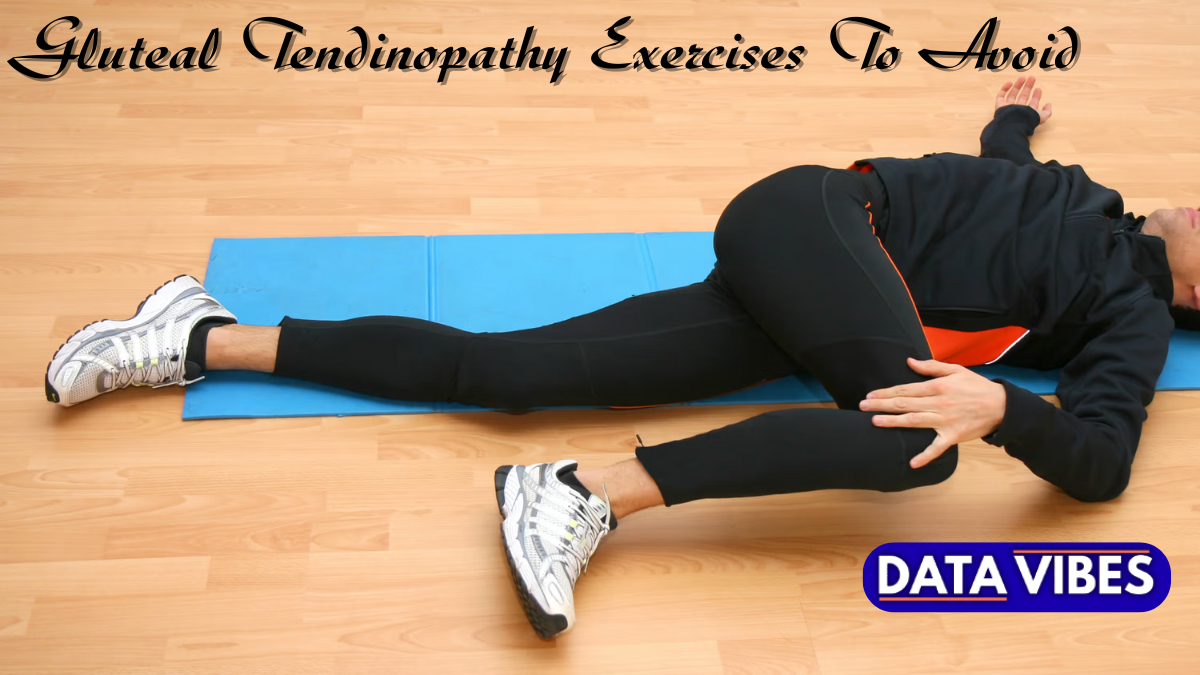
Stretching exercises like piriformis stretches, IT band stretches, clamshells, and side leg lifts may compress the tendon, causing irritation. Even daily postures, such as sitting cross-legged or leaning on one hip, can worsen symptoms. Recognising Gluteal Tendinopathy Exercises To Avoid helps individuals manage pain effectively and prevents chronic flare-ups.
Safe Exercise Alternatives for Recovery

Recovery requires low-impact exercises that strengthen the gluteal muscles without overstressing the tendons. Gentle hip abduction, bridging, and mini-squats are excellent for building strength while avoiding irritation. Choosing the right exercises while being aware of Gluteal Tendinopathy Exercises To Avoid promotes safe and gradual rehabilitation.
Swimming and modified cycling are ideal cardiovascular options as they maintain fitness without overloading the hip. Gradually increasing exercise intensity and following a structured physiotherapy programme ensures progressive improvement. Incorporating safe alternatives while avoiding Gluteal Tendinopathy Exercises To Avoid helps restore mobility and reduce future flare-ups.
Gluteal Tendinopathy Treatment Options
Treatment focuses on pain relief, strengthening, and correcting biomechanical issues. Physiotherapy is central to management, providing structured exercises and guidance on load management. Supplements may support tendon health, but professional advice is recommended. Avoiding Gluteal Tendinopathy Exercises To Avoid is critical during this stage to prevent further injury.
Surgery is rarely needed and is considered only in chronic cases unresponsive to conservative measures. Following medical guidance and avoiding aggravating exercises ensures better recovery. Early intervention combined with safe exercise practices increases the likelihood of a full recovery and reduces long-term complications.
Tips for Daily Life and Prevention
Daily habits play a crucial role in tendon health. Sit with legs uncrossed, use supportive seating, and avoid leaning on one hip to minimise stress. Proper sleeping positions and even weight distribution during standing and walking are also important. Awareness of Gluteal Tendinopathy Exercises To Avoid in daily life ensures the tendon is protected from unnecessary strain.
Consistently performing low-impact exercises, maintaining good posture, and avoiding movements that irritate the hip help prevent recurrence. Following these tips along with knowledge of Gluteal Tendinopathy Exercises To Avoid ensures long-term tendon resilience and reduces the risk of future flare-ups.
Conclusion
Understanding which exercises to avoid is key to managing gluteal tendinopathy effectively. Avoiding high-impact activities, certain stretches, and compressive movements protects the tendon while low-impact alternatives support healing. Combining safe exercises with professional guidance, posture adjustments, and awareness of Gluteal Tendinopathy Exercises To Avoid ensures optimal recovery and long-term hip health.
Frequently Asked Questions
What is gluteal tendinopathy?
Gluteal tendinopathy is a tendon injury affecting the gluteus medius and minimus muscles, causing outer hip pain and stiffness during movement.
Which exercises should I avoid with gluteal tendinopathy?
Avoid high-impact activities, deep squats, lunges, clamshells, and stretches that compress the hip tendon.
Can swimming or cycling help with gluteal tendinopathy?
Yes, swimming and modified cycling are low-impact exercises that strengthen muscles without overstressing the tendon.
How should I sit with gluteal tendinopathy?
Sit with legs uncrossed, use supportive chairs, and avoid leaning on one hip to minimise tendon compression.
When is surgery needed for gluteal tendinopathy?
Surgery is considered only when conservative treatment and physiotherapy do not relieve persistent pain or dysfunction.
You May Also Read: UKRI and the Technician Commitment Action Plan