
Antibiotic Cream for Folliculitis: Best Treatment Options Recommended by UK Dermatologists
Antibiotic Cream for Folliculitis is widely recognised as one of the most effective treatments for this common bacterial skin condition. Folliculitis occurs when hair follicles become inflamed or infected, often due to bacteria such as Staphylococcus aureus. The result can be red bumps, irritation, and pus-filled spots that cause discomfort. Using an Antibiotic Cream for Folliculitis helps to target and eliminate the infection directly at the source, providing fast relief and promoting healthy skin recovery.
In the UK, dermatologists recommend various topical antibiotic treatments based on the severity and type of infection. While some creams are available over the counter, more stubborn or recurring infections may require prescription-strength formulations. Understanding the right cream to use and how to apply it effectively can make all the difference in achieving long-term skin health and preventing reinfection.
Understanding Folliculitis and Its Causes
Folliculitis is essentially an infection or inflammation of the hair follicles. It can occur anywhere on the body where hair grows, including the scalp, legs, arms, and buttocks. The most common cause is bacterial infection, but other triggers include friction from tight clothing, shaving, and sweat buildup. When treated promptly with the right Antibiotic Cream for Folliculitis, the condition is easily managed without complications.
However, untreated folliculitis can worsen, spreading deeper into the skin and forming painful boils. Understanding what causes it helps in preventing future flare-ups. Regular hygiene, gentle exfoliation, and using clean razors are important preventive measures. When signs like itching, burning, or pustules appear, applying an Antibiotic Cream for Folliculitis early can stop the infection from spreading and soothe irritated skin.
When to Use Antibiotic Cream for Folliculitis
An Antibiotic Cream for Folliculitis should be used when the infection is localised, mild, or moderate. If only a few follicles are affected, topical treatment is often sufficient. Dermatologists usually recommend these creams to treat bacterial folliculitis effectively without the need for oral antibiotics. They work by killing bacteria directly on the skin, reducing inflammation, and promoting faster healing.
If the infection spreads or fails to improve after a week of use, it may indicate a deeper or resistant infection. In such cases, oral antibiotics or additional medical treatment may be necessary. It’s always advisable to consult a GP or dermatologist before self-treating, as the wrong medication can make the condition worse. Proper use of an Antibiotic Cream for Folliculitis ensures optimal results and prevents antibiotic resistance.
Top Recommended Antibiotic Creams for Folliculitis in the UK
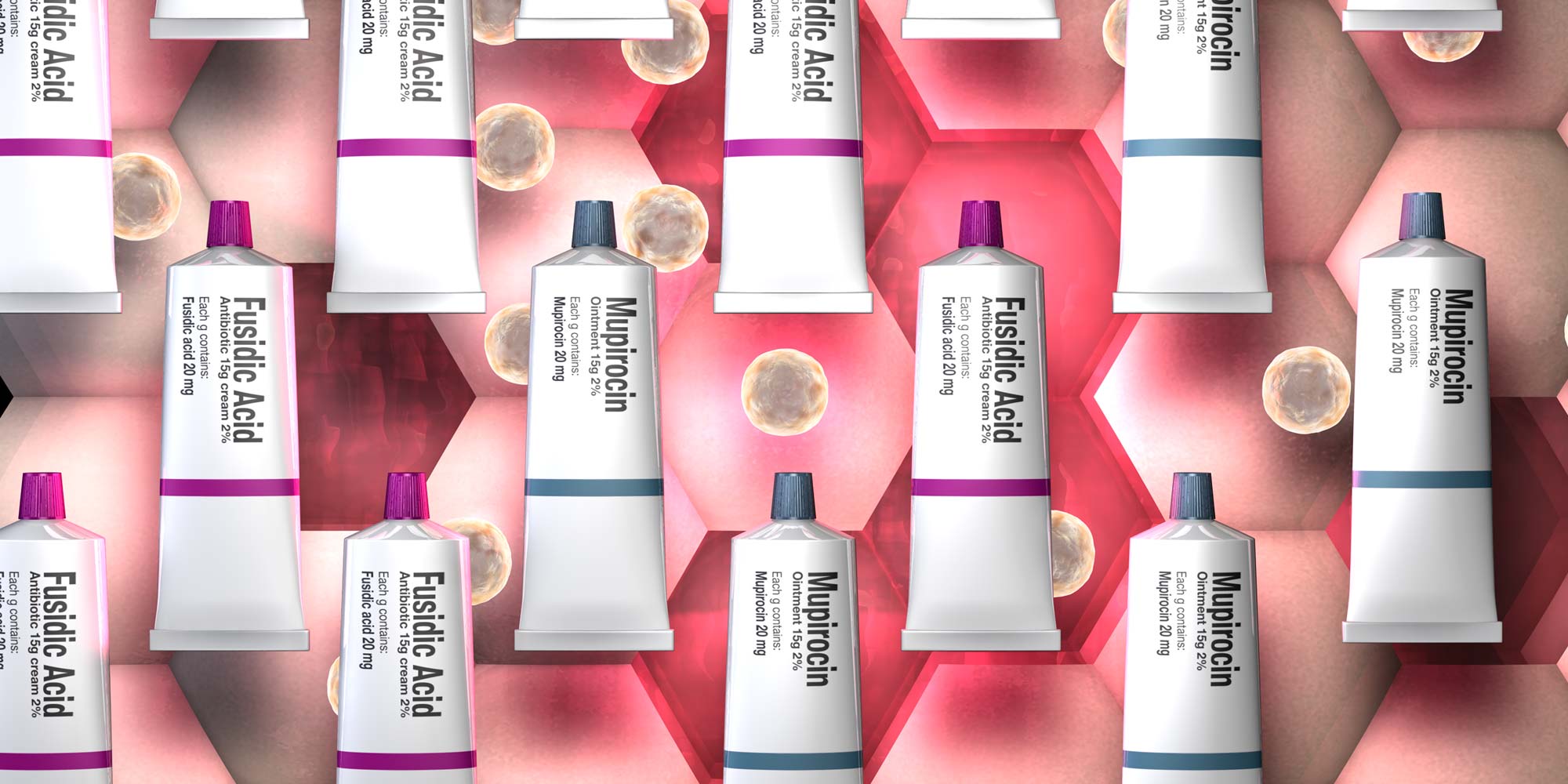
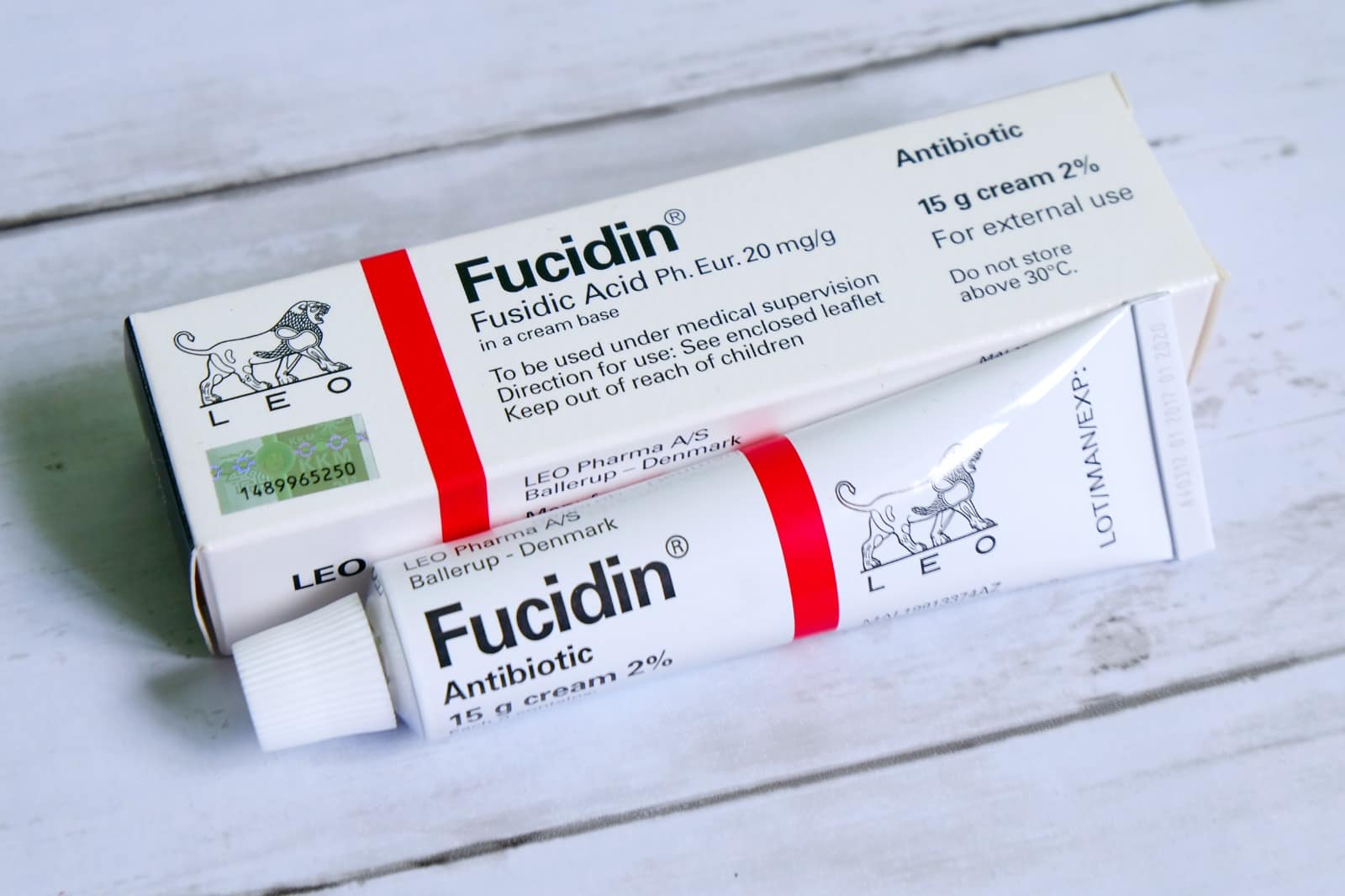
Several creams have been proven effective for treating folliculitis in the UK. One of the most popular options is Fusidic Acid Cream (Fucidin), which targets Staphylococcus aureus, the main bacteria behind most cases of folliculitis. Another highly effective Antibiotic Cream for Folliculitis is Mupirocin (Bactroban), known for its ability to treat infections that do not respond to other antibiotics.
Clindamycin is also widely prescribed in lotion or gel form, particularly for individuals with oily or acne-prone skin. For mild infections, over-the-counter (OTC) antibiotic creams or non-prescription options like antiseptic creams can also help. Choosing the right Antibiotic Cream for Folliculitis depends on the cause, severity, and sensitivity of your skin. Always follow the directions provided by your healthcare provider or pharmacist to avoid side effects and achieve the best outcome.
How to Apply Antibiotic Cream for Maximum Effectiveness
For the best results, applying an Antibiotic Cream for Folliculitis correctly is crucial. Start by cleaning the affected area with mild soap and warm water to remove dirt and excess oil. Gently pat the area dry with a clean towel. Apply a thin layer of the cream directly onto the infected area using clean fingers or a cotton swab, making sure not to rub too hard.
Use the cream as directed—usually two to three times a day—and continue even if symptoms begin to improve. Avoid using heavy cosmetics, tight clothing, or oily products over the treated area, as these can trap bacteria and delay healing. Consistency is key when using an Antibiotic Cream for Folliculitis. With proper hygiene and regular application, symptoms often begin to clear within a few days.
Over-the-Counter and Non-Prescription Creams for Folliculitis
In the UK, there are several over-the-counter and non-prescription options available for mild cases of folliculitis. Products containing antiseptic or antibacterial agents can be purchased at local pharmacies without a doctor’s prescription. These creams can relieve itching and redness while preventing bacterial growth. OTC Antibiotic Cream for Folliculitis is particularly useful for those experiencing mild infections or irritation after shaving.
However, if there is no improvement after a week of using an OTC treatment, you may need a prescription cream such as fusidic acid or mupirocin. Avoid using multiple antibiotic products simultaneously, as this can irritate the skin. When used correctly, non-prescription Antibiotic Cream for Folliculitis can be an effective first line of defence for minor infections.
Preventing Future Breakouts of Folliculitis
Preventing folliculitis is just as important as treating it. Maintaining good hygiene, avoiding tight clothing, and keeping your skin clean are key to stopping infections before they start. Using an Antibiotic Cream for Folliculitis at the first sign of redness or irritation can also help reduce the severity of outbreaks.
Regular exfoliation helps remove dead skin cells that can clog hair follicles. Avoid sharing razors, towels, or clothing, as these can spread bacteria. Keeping the skin moisturised and using antibacterial washes can further protect against infection. Consistent care, combined with the proper use of Antibiotic Cream for Folliculitis, ensures smoother, healthier skin over time.
Conclusion
Antibiotic Cream for Folliculitis remains a trusted and effective solution for treating bacterial skin infections. Whether you choose fusidic acid, mupirocin, or clindamycin, these treatments provide targeted relief and prevent infection from worsening. Early treatment and consistent application are the keys to clear, healthy skin.
If symptoms persist, seek professional medical advice from a UK-registered dermatologist. Combining the right Antibiotic Cream for Folliculitis with good skincare practices can significantly reduce future flare-ups and keep your skin looking and feeling its best.
Frequently Asked Questions
What antibiotic cream is best for folliculitis in the UK?
Fusidic acid and mupirocin are the most commonly recommended by UK dermatologists.
Can I buy antibiotic cream for folliculitis over the counter?
Yes, mild OTC antibiotic creams are available in most UK pharmacies.
Is non-prescription antibiotic cream effective?
Yes, for mild cases, non-prescription creams can help reduce redness and bacteria.
How long should I use antibiotic cream for folliculitis?
Most people use it for 7–10 days, or as directed by a healthcare provider.
Should I see a doctor for folliculitis?
If symptoms persist or worsen despite using an Antibiotic Cream for Folliculitis, consult a dermatologist for a proper diagnosis and stronger treatment options.
You May Also Read: Where to Find Malay Garden Furniture Spares in the UK