
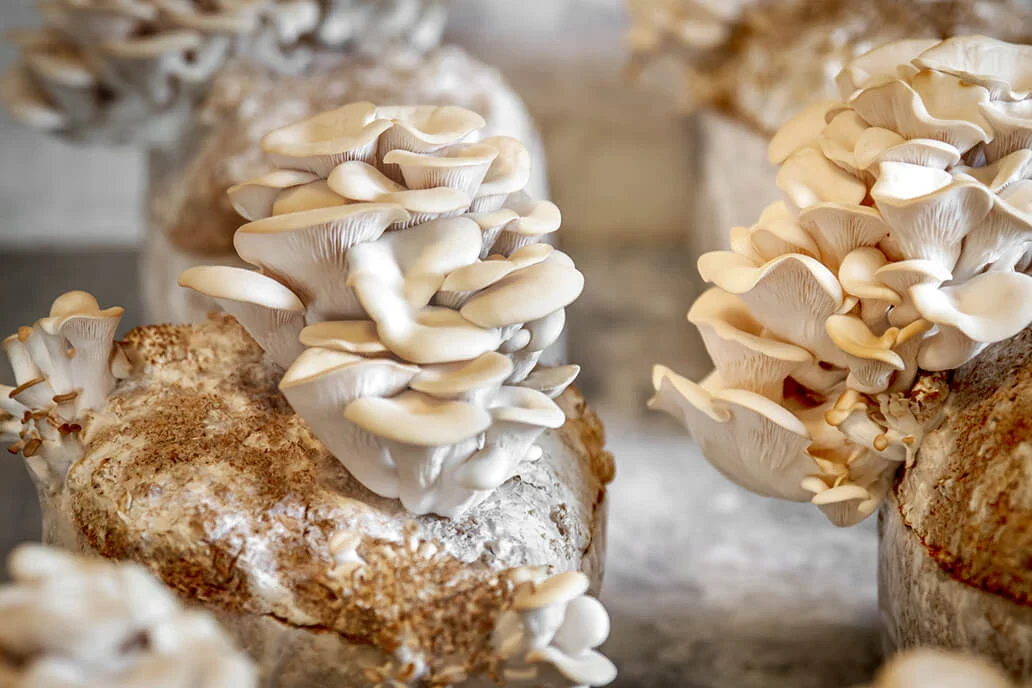
Mushroom Substrate Recipe: Easy UK Guide for High-Yield Mushroom Growth
A perfect Mushroom Substrate Recipe is the foundation for any successful mushroom-growing project. Whether you’re cultivating oyster, reishi, or button mushrooms, the substrate acts as the food source and growing environment for the mycelium. It provides the necessary nutrients, moisture, and structure that mushrooms need to flourish. Creating the right mix ensures not only healthy growth but also a high-yield harvest that’s both satisfying and sustainable.
In the UK, mushroom cultivation has become increasingly popular, with many growers turning to home-based setups or small farms. Materials such as coco coir, coffee grounds, straw, and hardwood pellets are easily available and environmentally friendly. By following a well-balanced Mushroom Substrate Recipe, even beginners can achieve consistent results and enjoy bountiful harvests without complex equipment or expensive materials.
Understanding Mushroom Substrate
The Mushroom Substrate Recipe serves as the growing medium where mycelium spreads and feeds. This material simulates the mushrooms’ natural habitat, which can vary from decaying wood to composted manure. The substrate must contain organic matter that supports microbial life, providing an ideal balance of moisture and air to encourage strong mycelial colonisation. Without a properly prepared substrate, even the best mushroom spores may struggle to develop.
A high-quality Mushroom Substrate Recipe balances three main components: nutrition, moisture, and structure. Ingredients like coco coir hold water, while vermiculite and sawdust create air pockets to prevent compaction. Additives such as gypsum supply essential minerals that stimulate growth. The right combination ensures that the mycelium grows evenly, resulting in robust and productive mushroom flushes.
Essential Ingredients for the Best Mushroom Substrate Recipe
Creating the best Mushroom Substrate Recipe begins with selecting the right ingredients. Coco coir is one of the most popular bases because it retains moisture without becoming waterlogged. Vermiculite helps aerate the substrate and prevents clumping, while gypsum enhances nutrient absorption and adds calcium. These ingredients together provide the perfect balance of water, air, and nutrients for vigorous mycelium growth.
Other common ingredients include hardwood sawdust, coffee grounds, and straw. For certain species like reishi or king oyster, hardwood pellets are ideal as they mimic natural growing conditions. Dung-loving mushrooms, such as cubensis, benefit from a mix of manure and straw. By tailoring the Mushroom Substrate Recipe to match the mushroom species, growers can create an optimal environment that enhances both yield and quality.
Step-by-Step Mushroom Substrate Recipe (CVG Method)

The CVG method—standing for coco coir, vermiculite, and gypsum—is one of the most trusted and effective Mushroom Substrate Recipes for UK growers. Begin by hydrating the coco coir with warm water until it reaches field capacity, meaning it’s moist but not dripping. Then, mix in vermiculite and gypsum thoroughly to create a uniform texture. This combination delivers the perfect balance of moisture, structure, and minerals for mushroom growth.
Once mixed, the substrate must be pasteurised or sterilised to eliminate harmful bacteria and mould. Pasteurisation involves heating the mixture to around 70°C for an hour, allowing beneficial microbes to survive while killing pathogens. After cooling, it’s ready for inoculation with mushroom spawn. This reliable Mushroom Substrate Recipe offers consistent results and is easy to prepare, making it suitable for both beginners and experienced cultivators.
Alternative Mushroom Substrate Recipes by Type
Different mushrooms thrive on different substrates, and adjusting your Mushroom Substrate Recipe accordingly can significantly affect results. Oyster mushrooms grow best on straw or coffee grounds, offering a fast-growing and eco-friendly option. For reishi and king oyster mushrooms, hardwood sawdust or pellets provide the dense nutrition needed for strong fruiting bodies. These materials closely resemble the mushrooms’ natural growing environments.
Magic mushrooms or cubensis species prefer a nutrient-rich substrate made from coco coir and manure. Dung-loving mushrooms, including those found in wild pastures, benefit from blends of cow or horse manure mixed with straw to improve airflow and structure. For advanced growers, the Masters Mix—a blend of sawdust and soy hulls—is known for producing large yields of gourmet mushrooms. Each Mushroom Substrate Recipe can be customised to suit the needs of specific species.
Choosing the Right Mushroom Substrate for Each Species
Choosing the right Mushroom Substrate Recipe depends on the mushroom species and its natural growth pattern. Oyster mushrooms favour straw or coffee grounds, while button mushrooms grow well in manure-based compost. Wood-loving varieties like reishi or lion’s mane perform best with hardwood sawdust or pellet substrates, as they provide the fibrous nutrients these species crave.
Environmental factors such as humidity, temperature, and air circulation also play an essential role. Indoor setups allow precise control over conditions, while outdoor gardens rely more on natural elements. Matching the correct substrate to your chosen mushroom ensures optimal colonisation, minimal contamination, and consistently high yields throughout the growing cycle.
Pasteurisation, Sterilisation, and Field Capacity Explained
Every Mushroom Substrate Recipe must go through proper sterilisation or pasteurisation before use. Pasteurisation involves heating the substrate to remove harmful microbes while retaining beneficial ones. Sterilisation, on the other hand, completely eradicates all microorganisms, which is ideal for nutrient-dense mixes like manure-based substrates. Ensuring cleanliness prevents contamination, one of the biggest challenges in mushroom cultivation.
Field capacity refers to the perfect moisture level of the substrate. It should feel damp when squeezed but not dripping wet. Too much water can suffocate the mycelium, while too little can slow growth. Achieving the correct field capacity ensures optimal conditions for colonisation and prevents bacterial growth that could harm your mushrooms.
Troubleshooting Common Substrate Issues
Even a well-prepared Mushroom Substrate Recipe can face challenges. One of the most common problems is contamination, which appears as green, black, or fuzzy patches on the surface. Contamination is often caused by unsterilised tools or overly wet substrates. Maintaining hygiene, proper moisture, and temperature control can help prevent these issues.
If the substrate appears too dry, misting lightly with sterile water can help restore balance. Overly wet substrates can be spread out to air-dry before use. Regular observation during colonisation allows early detection of any irregularities, ensuring a healthy mushroom crop. Proper care and attention to detail make all the difference in achieving a successful grow.
Conclusion
Creating a high-quality Mushroom Substrate Recipe is the most important step in growing mushrooms successfully in the UK. By understanding the needs of your chosen species and selecting the right ingredients, you can craft a nutrient-rich environment that supports rapid mycelium growth and abundant yields. A good substrate not only enhances productivity but also improves mushroom quality and texture.
Experimenting with different materials such as coffee grounds, hardwood pellets, or manure blends allows you to discover what works best for your growing conditions. With patience and precision, your Mushroom Substrate Recipe can lead to multiple fruitful harvests year-round, making mushroom cultivation both rewarding and sustainable.
Frequently Asked Questions
What is the best Mushroom Substrate Recipe for beginners?
The CVG method—coco coir, vermiculite, and gypsum—is simple and highly effective for most mushroom types.
Can I grow mushrooms using coffee grounds alone?
Coffee grounds should be mixed with straw or sawdust to improve airflow and reduce contamination risks.
How do I sterilise my Mushroom Substrate Recipe?
Heat the substrate to around 70°C for at least one hour to eliminate harmful bacteria and mould.
Which substrate works best for oyster mushrooms?
Oyster mushrooms thrive on straw, coffee grounds, or sawdust-based substrates.
Can I reuse mushroom substrate after harvesting?
Used substrate loses nutrients and may contain contaminants, so it’s best to compost it and prepare a fresh batch.
You May Also Read: Martin Lewis and The Goodwill Partnership