

National Healthy Schools Programme: A Complete Guide to Core Themes, Benefits & Accreditation
The National Healthy Schools Programme is a landmark initiative launched in the UK in 1999 to integrate health and wellbeing into the education system. Its core aim was to support schools in promoting healthier lifestyles among children and young people while linking these improvements to academic achievement. Although the national programme has evolved over the years, its principles continue to guide schools in fostering a safe, supportive, and health-focused environment. By implementing structured health strategies, schools can enhance student engagement, reduce behavioural issues, and encourage lifelong healthy habits.
The programme is widely recognised for introducing a whole-school approach, ensuring that health and wellbeing are embedded across policies, curriculum, and the school ethos. Schools are encouraged to engage students, teachers, parents, and the wider community in promoting healthy behaviours. Modern adaptations of the National Healthy Schools Programme, including local Healthy Schools awards, continue to uphold these principles. As a result, the initiative has a long-lasting impact on both pupil wellbeing and the overall learning environment in the UK.
History and Evolution of the National Healthy Schools Programme
The National Healthy Schools Programme was launched in 1999 as a collaborative effort between the Department of Health and the Department for Children, Schools and Families. Its primary goal was to create healthier school environments, linking physical and emotional wellbeing to improved academic performance. Over time, the programme underwent several updates, including significant revisions in 2014, 2016, and 2019, reflecting changing priorities in public health and education. These updates ensured that schools could continue to implement evidence-based strategies to support student health effectively.
While the national programme formally ended, its legacy continues through local Healthy Schools initiatives. These modern schemes allow schools to achieve accreditation for promoting wellbeing, ensuring that the core principles of the National Healthy Schools Programme remain relevant. The programme has also influenced teaching methods, school policies, and curriculum planning across the UK, establishing a sustainable framework for promoting healthy behaviours among children and young people in educational settings.
Core Themes of the National Healthy Schools Programme
The National Healthy Schools Programme is structured around four core themes, each critical for supporting students’ overall development. The first theme, Personal, Social, and Health Education (PSHE), includes sex and relationships education (SRE), drug awareness, and personal wellbeing education. PSHE lessons are designed to help children develop essential life skills, build resilience, and make informed decisions about their health and relationships.
The second theme, Healthy Eating, encourages schools to adopt nutritional policies and promote balanced diets. This includes both classroom education and practical strategies such as healthy lunch menus and cooking workshops. Physical Activity is the third theme, highlighting the importance of regular exercise in maintaining both physical and mental health. Finally, the programme addresses Social, Emotional, and Mental Health (SEMH), providing students with support systems to manage stress, build emotional intelligence, and develop positive social skills. Together, these themes form the foundation of the National Healthy Schools Programme, equipping students with the knowledge and habits necessary for lifelong wellbeing.
Whole-School Approach and Implementation
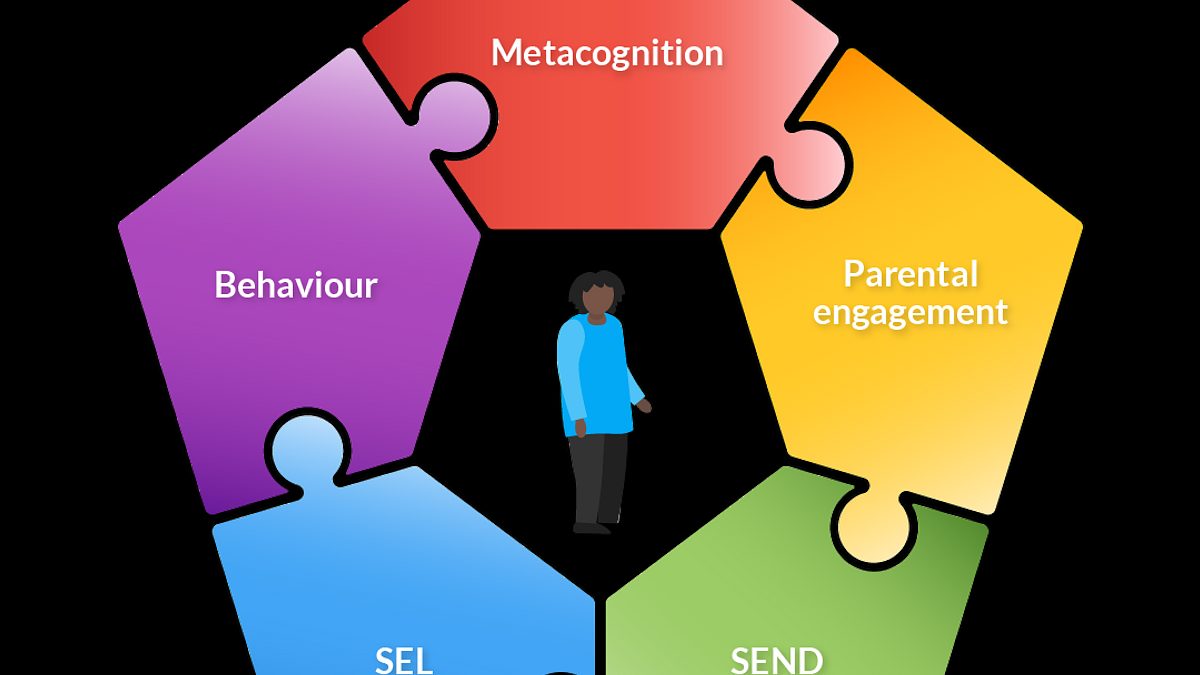
A key feature of the National Healthy Schools Programme is its whole-school approach, which ensures that health initiatives extend beyond individual lessons. Schools form task groups to assess current practices, identify areas for improvement, and develop action plans tailored to their community. This collaborative approach encourages involvement from teachers, parents, and external partners, creating a supportive ecosystem for students.
Implementation involves integrating health principles across all aspects of school life, including curriculum design, extracurricular activities, and school policies. Teachers play a pivotal role in delivering PSHE lessons and encouraging participation in physical activity programmes, while parents reinforce these behaviours at home. The programme also emphasises evaluation and continuous improvement, helping schools monitor progress and sustain long-term health initiatives. Through this approach, the National Healthy Schools Programme fosters a culture where health, wellbeing, and learning are interconnected.
Benefits of the National Healthy Schools Programme
Schools that embrace the National Healthy Schools Programme see significant benefits for both students and staff. Pupils gain improved physical fitness, emotional resilience, and social skills, all of which contribute to better academic performance. By addressing issues such as nutrition, exercise, and mental health, schools create an environment that encourages active participation, reduces behavioural problems, and promotes overall wellbeing.
Teachers and staff also benefit from the programme as it cultivates a positive school culture and enhances professional satisfaction. Collaborative planning, focused health strategies, and clear wellbeing policies contribute to a supportive working environment. Communities also experience long-term benefits, as students carry healthy behaviours into adulthood. The National Healthy Schools Programme therefore serves not only as a tool for immediate health improvements but also as a foundation for lifelong wellbeing and community impact.
Accreditation and Recognition
Schools participating in the National Healthy Schools Programme can achieve National Healthy Schools Status (NHSS) through a structured accreditation process. This involves completing self-assessments, submitting evidence of good practices, and demonstrating achievement across the four core themes. Accreditation provides formal recognition of a school’s commitment to student health and wellbeing, motivating continuous improvement.
Even after the national programme concluded, modern Healthy Schools awards such as Bronze, Silver, and Gold continue to recognise schools for their dedication to pupil wellbeing. These awards encourage schools to maintain and enhance their practices, reflecting the enduring influence of the National Healthy Schools Programme in UK education. Accreditation also acts as a benchmark for best practices, inspiring other schools to adopt similar initiatives.
Conclusion
The National Healthy Schools Programme has played a crucial role in shaping the health and wellbeing landscape in UK schools. By focusing on PSHE, healthy eating, physical activity, and social-emotional support, schools create environments that enhance learning, promote positive behaviours, and encourage lifelong wellbeing. Although the programme has evolved over time, its principles continue to guide modern Healthy Schools initiatives, ensuring that student health remains a priority in education.
Frequently Asked Questions
What is the National Healthy Schools Programme?
A UK initiative promoting pupil health, wellbeing, and academic achievement.
When was the National Healthy Schools Programme launched?
It was launched in 1999 by the UK government.
What are the four core themes of the National Healthy Schools Programme?
PSHE, healthy eating, physical activity, and social/emotional/mental health.
How does the National Healthy Schools Programme improve student wellbeing?
By embedding health practices across school life and supporting emotional and physical development.
What is the process for achieving National Healthy Schools Status?
Schools complete self-assessments and submit evidence of meeting health and wellbeing criteria.
Are there modern equivalents of the National Healthy Schools Programme?
Yes, local Healthy Schools awards like Bronze, Silver, and Gold continue the programme.
How can schools implement the principles of the National Healthy Schools Programme today?
By integrating health, wellbeing, and PSHE initiatives across curriculum, policies, and school culture.
Does the National Healthy Schools Programme link to GCSE PE curriculum?
Yes, it supports physical activity and fitness, complementing GCSE PE learning outcomes.
You May Also Read: Ben And Jerry’s Cookie Dough Variants in the UK